





1099 Forms: A guide for independent contractors and businesses
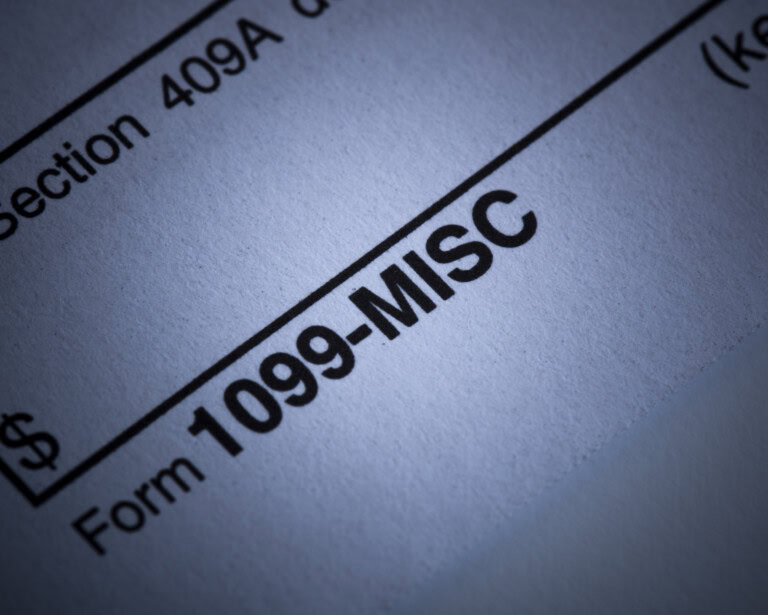
Tax season can be confusing, especially for freelancers, independent contractors, and small business owners. One of the most important documents in this process is the 1099 form. But what exactly is it, and why does it matter?
What is a 1099 Form?
The 1099 form is an Internal Revenue Service (IRS) tax document used to report various types of income outside of traditional wages, salaries, and tips. Unlike a W-2 form that employees receive, the 1099 is typically used for independent contractors, freelancers, and other non-employee compensation.
Different types of 1099 forms
There are several variations of the 1099 form, but the most common include:
- 1099-NEC (Nonemployee Compensation): Used for independent contractors and freelancers
- 1099-MISC (Miscellaneous Income): Covers various types of payments
- 1099-INT: Reports interest income from banks and financial institutions
- 1099-DIV: Documents dividend and distribution income
- 1099-R: Used for retirement distributions and pensions
Who needs to file a 1099 form?
Businesses have a clear obligation to issue a 1099-NEC to any independent contractor they’ve paid $600 or more during the tax year. This requirement spans a wide range of professional relationships, like freelancers who create content, independent contractors who provide specialized services, consultants offering expert advice, gig workers in the digital economy, and self-employed professionals across various different industries. The goal is to create transparency and ensure proper tax reporting for non-traditional employment arrangements.
What businesses need to know
Businesses navigating the 1099 landscape must follow a specific set of responsibilities. The process begins with collecting W-9 forms from contractors before making any payments, which provides essential tax information. The careful tracking of all payments to non-employees is crucial for accurate reporting. There are strict deadlines to remember: businesses must send 1099 forms to contractors by January 31st and file copies with the IRS by February 28th if filing by paper, or March 31st for electronic filings. Failing to meet these requirements can result in penalties and potential complications with tax authorities.
What contractors should expect
Independent contractors have their own set of expectations and responsibilities. They can expect to receive 1099 forms from each client that paid them $600 or more, with these documents arriving by January 31st. However, it’s critical to understand that the responsibility for reporting income exists regardless of whether a 1099 is received. Contractors must report all income on their tax return, even if a particular client fails to send a form. Maintaining detailed records of all income and expenses is crucial for accurate tax filing and potential future audits.
What’s included on a 1099 form
A typical 1099-NEC is a treasure trove of financial information. It includes comprehensive details about both the payer and the recipient. You’ll find the payer’s complete business information, including name and address, alongside the recipient’s similar details. The total amount paid during the tax year is prominently displayed, providing a clear record of compensation. The federal tax identification number is included, which helps the IRS track and match reporting. In some cases, the form may also indicate any federal income tax that was withheld during the year.
Important considerations
For businesses, the 1099 process requires much attention to detail. It’s crucial to maintain accurate records of all contractor payments and collect W-9 forms before making any payments. The potential penalties for incorrect or late filing can be significant, making proactive management essential.
Contractors face their own set of challenges. Verifying the accuracy of each 1099 received is critical. Even if a form is not received, all income must be reported to the IRS. Keeping detailed financial records becomes a year-round responsibility, not just a tax season concern. Many contractors find it beneficial to make quarterly estimated tax payments to avoid a large tax bill and potential penalties at year-end.
Conclusion
The 1099 form is a crucial document in the world of independent contracting and business reporting. Whether you’re a business hiring contractors or a freelancer receiving payments, understanding the 1099 is essential for proper tax compliance.
Disclaimer: Remember, when in doubt, consult with a tax professional who can provide guidance specific to your unique situation. Tax laws can change, and this information is for general guidance. Always consult with a qualified tax professional for personalized advice.



Opinions, advice, services, or other information or content expressed or contributed here by customers, users, or others, are those of the respective author(s) or contributor(s) and do not necessarily state or reflect those of The Bancorp Bank, N.A. (“Bank”). Bank is not responsible for the accuracy of any content provided by author(s) or contributor(s).